

Changing Family Structures and Estate Planning
Family structures are changing — and estate planning must change too.
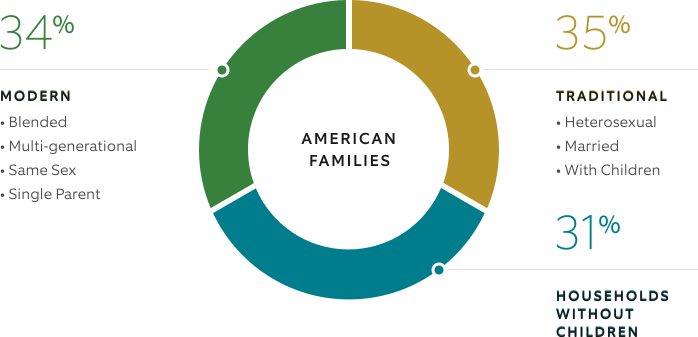
Thirty years ago, the “traditional family” was common: a husband and wife married young, bought a home, had children, and worked toward financial security. In 1949, nearly 80% of American households were married couples. By 2021, that number dropped to just 47.3%.
Today, only about one-third of U.S. households are considered “traditional.” The rest include blended families, unmarried couples, families created through artificial reproductive technology, and same-sex marriages. These changes create unique needs that don’t always fit traditional estate planning models.
Why Planning Matters
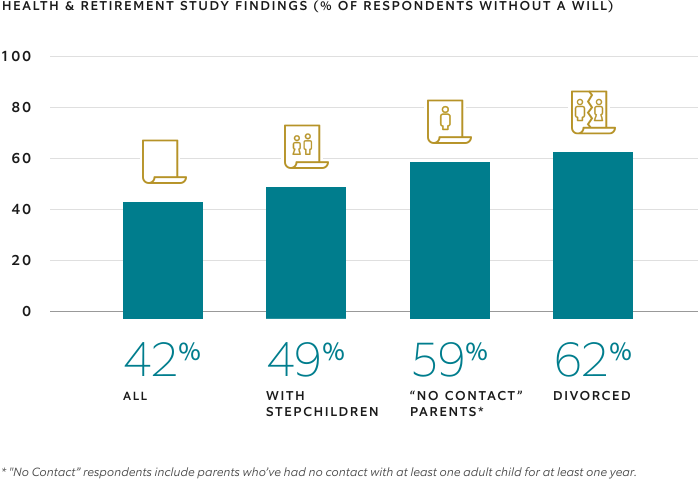
Complex families are often the least likely to have an estate plan. Unfortunately, failing to plan can lead to lost assets, higher taxes, and painful family disputes.
If you die without a will, your estate goes through probate and follows state intestacy laws. These laws rarely favor unmarried partners or step-children. Proactive planning with an estate attorney can help you protect your legacy and care for every member of your family — traditional or not.
Blended Families
If you’ve divorced, remarried, or had additional children or grandchildren, updating your estate plan is critical. Deciding who receives what can feel overwhelming, but an estate planning attorney can guide you.
Without an updated plan, you risk strained relationships, wasted money, and unintended results. Traditional estate plans often divide wealth equally, but that may not match your wishes in a blended family. Customized plans allow you to provide fairly for biological children, step-children, and your spouse in a way that fits your family’s situation.
Pre- and Post-Nuptial Agreements
If you plan to remarry, consider a pre- or post-nuptial agreement. These agreements clarify how assets will be distributed between your children, spouse, and other beneficiaries.
Agreeing early on key decisions about asset division and tax planning can prevent future conflicts. Your family law attorney can work with your estate planning attorney to ensure everything aligns with your intentions.
Trusts and Other Strategies
Trusts, gifts, and other planning tools can help you manage wealth in blended families.
You might give lifetime gifts to children to avoid disputes later. Payable-on-death (POD) accounts can transfer assets directly to beneficiaries without going through probate.
When creating or updating a trust, think through potential issues:
What happens if a child has children outside of marriage?
Will your trustee honor your wishes for step-grandchildren or children born through assisted reproductive technology?
Should you appoint a neutral trustee instead of a family member?
Do your trust investments and distribution rules reflect your values, beliefs, and traditions?
Being specific avoids confusion and ensures your assets are handled as you intend.
Take Action Today
Most U.S. estate laws still favor traditional families. Without careful planning, unmarried partners, step-children, and other loved ones can be left out.
Talk with your family. Work with an experienced estate planning attorney to create a plan that reflects your wishes and protects your loved ones.
📞 Call us at (207) 848-5600 or visit our CONTACT page to schedule a consultation and start building a plan that works for your family.


