
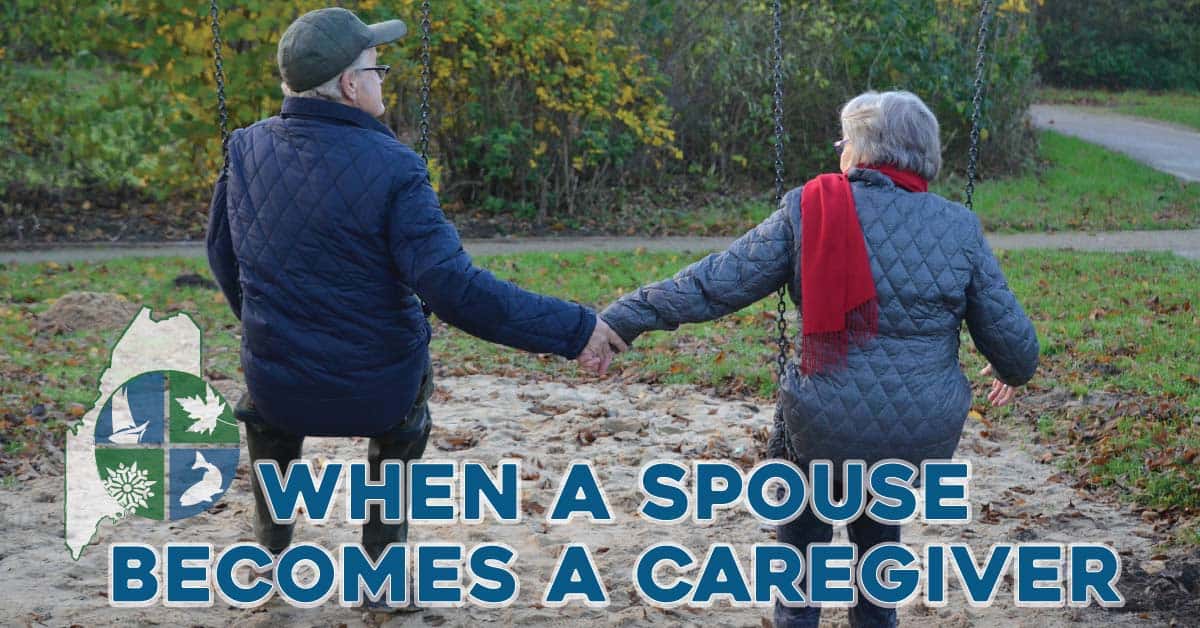
When a Spouse Becomes a Caregiver: Coping, Connection, and Care Planning
Caring for a seriously ill spouse can change everything — your relationship, your routines, and even your sense of self. The vows spoken on your wedding day—“in sickness and in health”—take on new meaning as one partner becomes the caregiver and the other the care recipient.
For many couples, this shift brings emotional, physical, and financial challenges. It can feel like you’re losing not only your partner’s health, but also your shared vision for the future. Understanding what to expect — and how to care for both your spouse and yourself — is essential.
The Emotional Impact of Spousal Caregiving
Becoming a caregiver for your spouse can be emotionally draining. You may experience:
- Feelings of grief and loss for the relationship as it once was
- Anger or resentment toward the situation or toward your partner’s illness
- Isolation, as friends and family may pull away or struggle to help
- Guilt, especially if you feel overwhelmed or frustrated
According to research published in Health Affairs, over half of older spousal caregivers provide end-of-life care without any help from family or professionals. Over time, this can take a toll on mental health — leading to higher rates of depression, anxiety, and fatigue among caregiving spouses.
Even the most loving marriages can strain under this new dynamic. When communication becomes centered around medication, symptoms, and doctor visits, couples often lose the emotional connection that once defined their relationship.
Steps to Strengthen Your Caregiving Role
1. Get Educated and Stay Involved
Understanding your spouse’s medical condition is vital. Learn about their diagnosis, treatment options, and prognosisfrom doctors and care teams. Attend appointments when possible, take notes, and ask questions.
Knowledge helps reduce fear and allows you to participate confidently in decisions about care.
2. Accept Help and Build a Support Network
Caregivers often feel they must “do it all.” Don’t.
If friends or family offer to cook meals, run errands, or help with cleaning — say yes. Small tasks shared by others can make a big difference.
Also, review your health insurance or Medicare plan to see if it includes:
- Home health nursing services
- Physical or occupational therapy
- Respite care or adult day programs
These services can relieve stress and improve safety for both partners.
3. Maintain Routines and Connection
Keep familiar routines that bring comfort — morning coffee together, Friday movie nights, or daily walks if possible. These small rituals help preserve emotional intimacy and remind both of you that your bond extends beyond the illness.
4. Care for Yourself, Too
You cannot pour from an empty cup. Make time for rest, exercise, and activities that bring you joy or calm. Join caregiver support groups (local or online), and don’t hesitate to seek counseling if you’re feeling overwhelmed. Taking care of yourself allows you to provide better care to your spouse.
Reframing Caregiving as an Act of Love
Authors Barbara Kivowitz and Roanne Weisman, in Love in the Time of Chronic Illness: How to Fight the Sickness—Not Each Other, describe caregiving as a way to express compassion rather than a list of daily tasks.
Their advice: “Measure success by how well you connect, love, and feel loved.”
When you focus on love instead of loss, caregiving becomes an act of devotion — a reaffirmation of your lifelong partnership.
Planning Ahead for Both of You
Illness can bring practical concerns along with emotional ones — including financial decisions, medical directives, and long-term care planning.
Creating or updating an estate plan can help:
- Protect assets for the healthy spouse
- Ensure healthcare wishes are honored
- Plan for possible long-term care needs
At Aging in Maine, we help couples navigate both the emotional and financial realities of caregiving. We can assist you in building a plan that safeguards your home, savings, and peace of mind for the future. Call us at (207)848-5600 to schedule a consultation today.


