
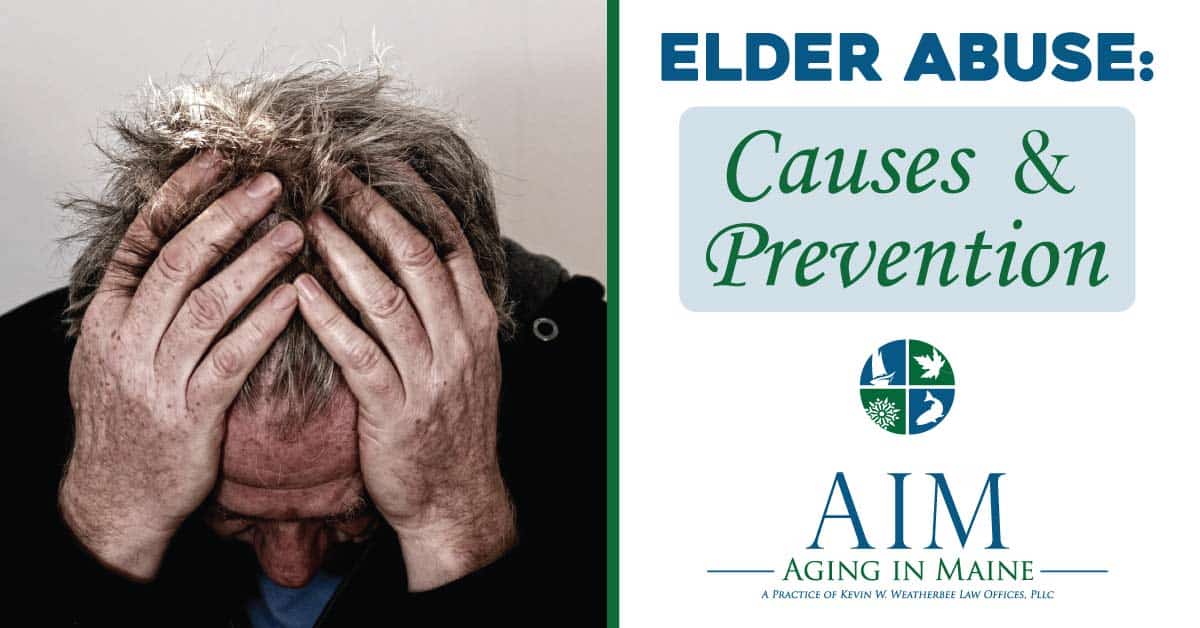
Elder Abuse: Causes, Risk Factors, and How to Prevent It
Elder abuse is a serious and growing concern. According to the American Psychological Association, elder abuse refers to the intentional or unintentional harm inflicted on older adults. This harm can be physical, emotional, psychological, sexual, or financial. It may also include neglect—either by family members or professional caregivers.
Understanding the causes of elder abuse is essential in order to prevent it and ensure our aging loved ones remain safe, respected, and properly cared for.
What Causes Elder Abuse?
Elder abuse is often the result of multiple factors. These can include family stress, caregiver burnout, financial strain, and even societal attitudes toward aging populations. Below are the most common causes:
1. Family Stress and Caregiving Pressure
Family members who take on caregiving responsibilities often face emotional and physical exhaustion. Without proper support, this stress can build up and lead to neglect or even abuse. Common stressors include:
- Lack of rest and self-care
- Feelings of isolation
- Unresolved family conflicts
- A history of family violence
2. Caregiver Burnout
Providing long-term care, especially for elders with Alzheimer’s, dementia, or physical disabilities, can be overwhelming. Caregiver stress may lead to frustration, resentment, or emotional breakdowns, which can increase the risk of elder abuse. Burned-out caregivers may:
- Feel helpless or unsupported
- Experience depression or anxiety
- Withdraw from social or emotional connections
3. Financial Strain
Multigenerational households or situations where adult children rely on elderly parents for financial support can create tension. In some cases, this can lead to financial exploitation or theft. Scams targeting seniors also remain a major issue, often going unreported.
4. Negative Societal Views on Aging
In some communities, seniors are viewed as less important or burdensome. This devaluation can make them vulnerable to neglect, manipulation, or abuse. The rise in elder financial scams highlights the societal failure to protect this population.
How to Prevent Elder Abuse
Preventing elder abuse starts with education, awareness, and support. Here are key strategies that help reduce the risk:
1. Educate Families and Caregivers
Understanding the warning signs of elder abuse and the factors that increase risk can help families and caregivers intervene before abuse occurs. Look out for:
- Unexplained injuries
- Withdrawal or mood changes
- Poor hygiene or malnutrition
- Sudden financial issues
Encourage open communication and make sure seniors know they can speak up without fear.
2. Use Respite Care Services
Respite care offers temporary relief for primary caregivers. Services like adult day care or in-home care support allow caregivers to rest and recharge, which can help prevent caregiver burnout and reduce stress-related abuse.
Respite care is especially important for those caring for individuals with Alzheimer’s or severe disabilities. Even a few hours a week can make a big difference.
3. Maintain Social and Emotional Support
Isolation can worsen stress. Caregivers should:
- Stay connected with friends and family
- Join local or online support groups for caregivers
- Seek emotional outlets and self-care routines
Staying socially active helps reduce the emotional toll of caregiving.
4. Seek Counseling
Therapy or counseling can help families navigate both past trauma and current caregiving challenges. Professional guidance can ease tensions and build healthier relationships among family members, ultimately reducing the risk of abuse.
Report Elder Abuse
If you suspect elder abuse, don’t stay silent. Reporting it can save lives.
👉 Report abuse in Maine:
Report Abuse, Neglect, or Exploitation
Final Thoughts
Elder abuse is preventable—but only if we stay informed, aware, and proactive. Whether you’re a caregiver, family member, or concerned friend, your role in preventing elder abuse is critical.
By recognizing the warning signs, understanding the root causes, and using supportive resources, we can protect our senior loved ones and ensure they live with the dignity and safety they deserve.
Need more information or have questions?
Feel free to contact us for resources, guidance, or support in caring for an aging loved one (207)848-5600.


